Every Hall of Fame class gets a plaque. This one gets the floor.
In “In Their Words,” members of the National Lacrosse Hall of Fame Class of 2026 tell their own stories: the first stick, the coach who took a chance, the teammates who had their backs, the moments they still can’t believe.
Each piece comes from conversations with USA Lacrosse Magazine staff and is edited and condensed in the inductee’s own voice.
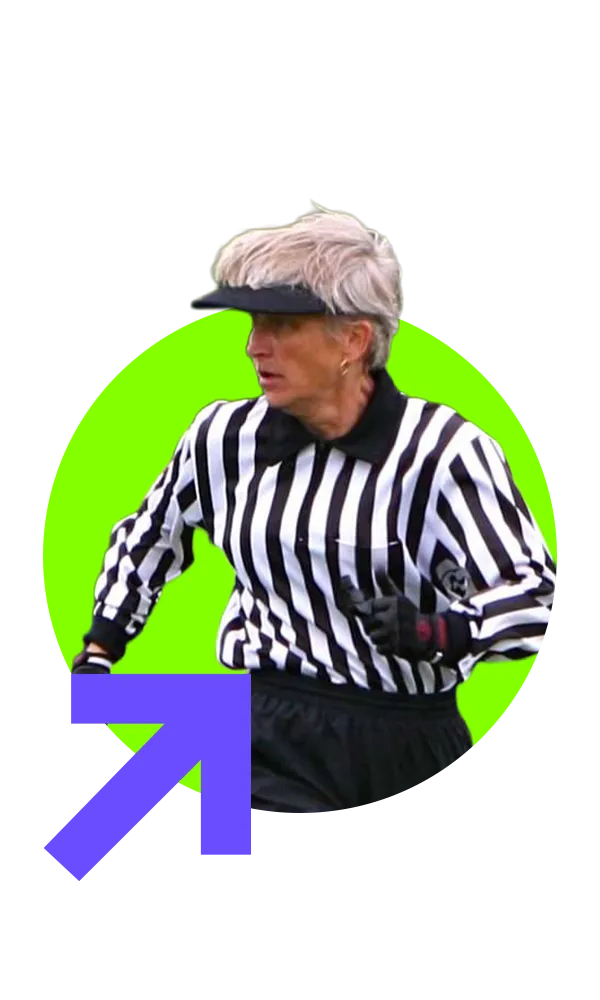
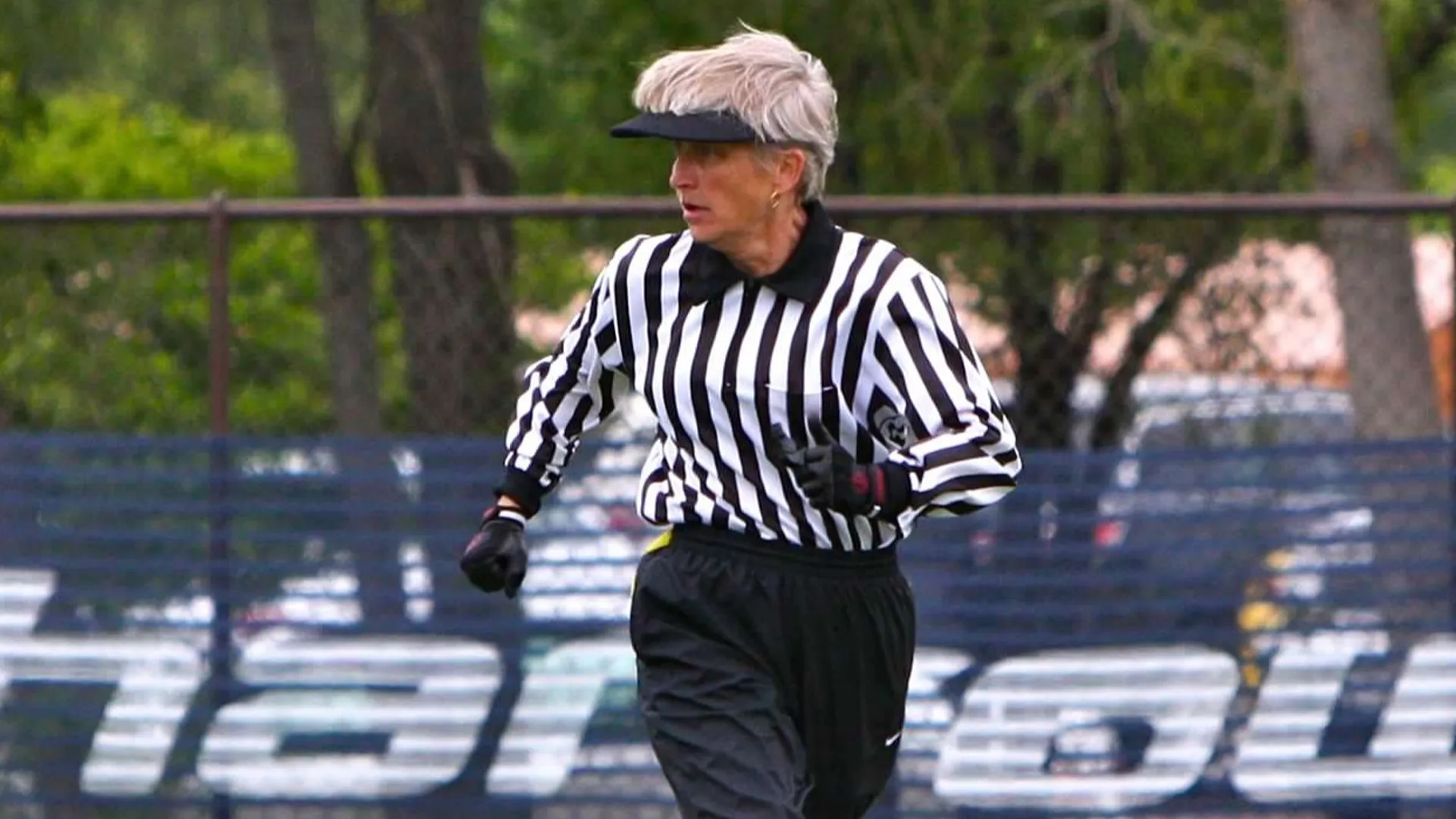
Next up is Lissa Fickert. A friend got Fickert into lacrosse when she was a post-collegiate field hockey player with a basketball background. The rest is history. Fickert soon became an official and has served in leadership roles helping to transform women's lacrosse into the game it is today.
These are her words, as told to Paul Ohanian. Tickets on sale now.
I was a post-collegiate field hockey player. That's my background.
And one of my teammates said, ‘You know what? You need to play lacrosse. I think you'd like that.’
So, I said, ‘Yeah, sure. I'll try it.’
I didn't know what I was doing, but I had some basketball background, and I was pretty quick and pretty fast. I'd get the ball and give it to my teammates, who did know what they were doing. And, you know, we just had fun.
I loved the physical aspect of it, and I don't mean physical in terms of the stick and the checking. I don't think I ever checked in my life because I was too afraid I was going to hurt somebody or get called for a foul. I was just happy to use my strategies against somebody. My basketball skills translated to a hundred-yard field, and that was a challenge that I liked. And I loved running.
I just enjoyed the challenge of helping my teammates win the game. It just was a bigger and faster stage. So, I fell in love with lacrosse that way.
That same friend of mine who said ‘you’ve got to play lacrosse’ calls me up one day and says, ‘Hey, I need an official.’ And I told her I didn’t know all the rules. I'm not certified. Well, she didn't take no for an answer. She got me a rule book and she said, ‘You'll keep it safe and you'll keep it fair.’
My first game was a little nerve racking. I didn't have a flag, so I used a lime green bandana, and I ended up setting up an eight-meter going the wrong direction, which I still remember after all these years. And my first game was an NCAA Division III college game — yes, a college-level game.
Fortunately, I was certified as an official in field hockey and certified in basketball, so I brought those skills to the game. I had the game presence. I had the management presence. I had the whistle presence. I wasn't afraid to make a call, and I wasn't afraid to card. And those all came from my confidence gained from other sports.
When I finished that first game, I said, ‘You know, I like this. But I'm going to do this right, and I'm going to get certified.’ So that was the beginning, and I've been committed to keeping it safe and keeping it fair ever since then. I guess my friend sent me off on the right path.
As far as my next move, we were an emerging area (Ohio). We didn't have local boards and we didn't have associations. So, Laurette Payette led the charge and we got organized.
Everybody that came through pretty much had to do something. You were the president. You were the secretary. You were the treasurer. And the next year, we all switched them around and slowly but surely grew and built the Midwest Great Lakes area, and we've really all enjoyed working together, helping each other out, and finding the opportunities to grow the sport here.
Over time, I just kept moving into leadership positions, mostly just moving up as everything got bigger and grew. One day, Jenn Eames came to me and said, ‘I think you'd be a really good person on the WCLA,’ which was WDIA at the time. And so, I jumped on that board with them.
And I have to say, the WCLA group was by far the most fun through the years. Don't get me wrong, it was work and we worked. But I loved the energy of the kids. Some of those teams were completely student led, and they just played hard, they played well, and they loved it.
And then I picked up assigning, and I went from there to being on the (USL) board of governors and the game committee, and just kind of moved on up the ladder.
A few years later, Pat Dillon was moving off as chair of the rules committee, and I got asked to step into that role. I had a chance to think about it before I said yes. But I already knew many of the people on the committee, and I'd worked with these people. And after some encouragement from Laurette and from Laura Hebert and a few others, I said yes.
Those rules committees steered the game through so many rapid changes, and they did it with agility, open mindedness and care, always honoring the past while looking to the future. Most importantly, the committee put safety as front and center.
Along with USA Lacrosse, they brought in certifications for everything from balls and headgear to chest protectors, eye wear, and sticks. The committee had the courage and foresight to bring in free movement and self-starts to let the game flow and showcase the players’ athleticism.
Those rules feel like second nature to us now, but at the time, they were a massive cultural shift. I have to give a lot of credit to those rules’ committees over the past decade for having the vision to make bold changes. Those changes have been both an incredible contribution to and a lasting legacy for women’s lacrosse.
Looking back, I honestly have to say the teaching piece of working with new officials and gaining and growing officials at all levels has been most rewarding. The very first clinic I did was in 1988 with Deb Martin. We went out to St. Louis and worked with the folks out there, and it was just a really neat opportunity to use my teaching skills and help those people get better.
It’s so enjoyable for me to work with a newer official and to be a support person and help them have the confidence to relax and have a good time while doing a great job on the field. And when they ask me, ‘Did I do this right or did I do that right?’ It's nice to be able to say, ‘Yes, you nailed it.’
Building those connections is really what I love the most. It’s all about growing the game one umpire at a time and having the joy of playing a small part in their journey. That’s my way of paying it forward and doing for others what so many did for me.
I'm a teacher and a mentor and a coach and a counselor. And lacrosse has allowed me the opportunity to practice all those skills. I am still the director of officials for the state of Ohio, so I still have my hands in there, working with people and getting them organized and getting them better. I really enjoy that.
It's amazing to think about where I've been able to go and the people I have been able to meet because of lacrosse. I have been in three continents, seven countries and almost half of the United States with lacrosse — a far cry from Dayton, Ohio — and it's been a joy all along the way. All the people have been wonderful, and that's probably what has kept me in for so long.
The game has really grown, especially here in the Midwest, where we were starting from nothing and where my first game was a collegiate game. And I did collegiate games for a long time before the high schools ever caught up. It's really fun to see how it has grown in numbers and in different areas and in quality, and it's just heading in the right direction. I'm glad I was a part of it, and I'll probably continue to be a part of it as long as I think I can help somebody.