
By Richard Hinton & Liz Hollenczer · May 6, 2026
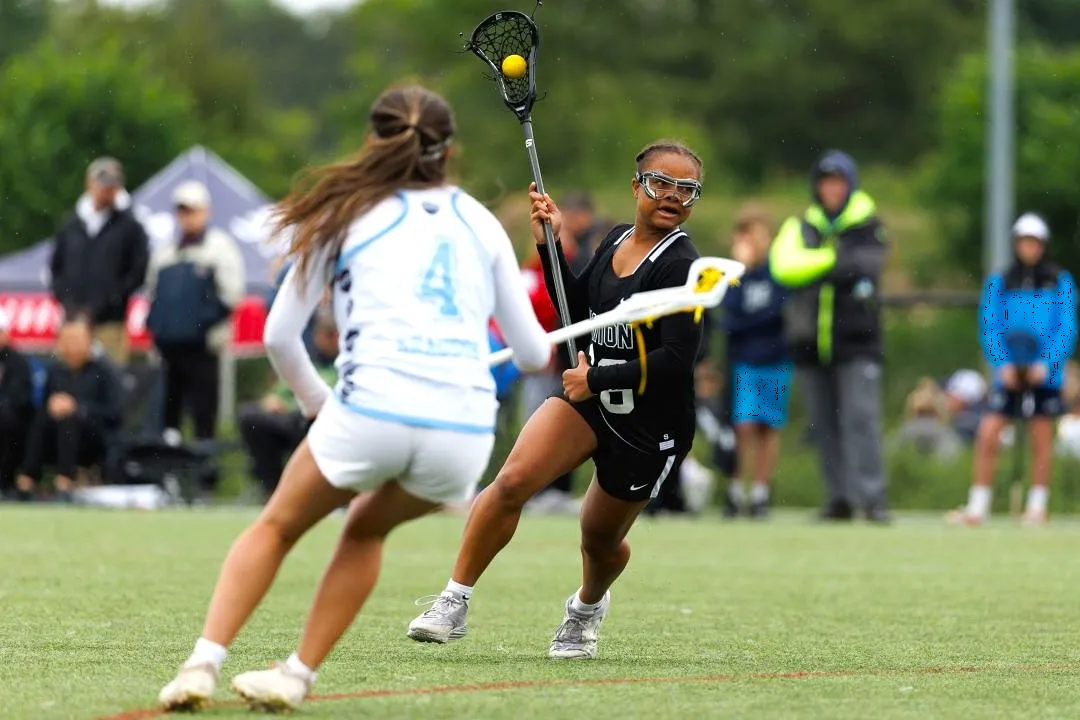
Lacrosse is growing at the youth, scholastic, collegiate, professional, and Olympic levels and across all disciplines of the sport. This growth has been accompanied by increasing attention to lacrosse specific research. Collaborative efforts by USA Lacrosse and MedStar Health have significantly advanced injury surveillance efforts, safety policy, and prevention strategies. Emerging technologies in biometrics, workload monitoring, cardiac screening, and biomechanical analysis of lacrosse activities offer promising avenues for future improvements in injury prevention and performance optimization.
Building the Foundation of Lacrosse Research
Formation of a multidisciplinary Sports Science and Safety Committee was one of the initial steps of USA Lacrosse at its inception in 1998. In the early 2000s, USA Lacrosse, MedStar Health and researchers in the Fairfax (Va.) Public School system instituted injury surveillance programing which developed the basic injury epidemiology of the sport (i.e., the who, what, where, when, and how of lacrosse injuries). This led to an understanding that lacrosse is a moderate risk sport. Most injuries are minor, but concussion, cardiac, and lower extremity injuries can present significant burden. Injury patterns vary with gender, age, and discipline of game. Effective injury prevention efforts must be game specific and must consider multiple risks factors and influences.
Expanding the Evidence
As noted, there has been a significant growth in literature dealing with health, safety, and performance in lacrosse. To see what type of research is being done, members of the USA Lacrosse Sport Science & Safety Committee and MedStar Health recently completed a systematic mapping review of the world's literature addressing player safety, sport science, and clinal care in lacrosse. (1) This review found nearly 500 lacrosse specific peer reviewed publications, 54% dealing with player safety, 26% on sport performance, and 15% focused on clinical care. The review found most studies to be from North America, focused on collegiate age populations, and playing traditional field lacrosse. The literature is dominated by observational studies with very few high-quality randomized designs. There is also a paucity of research at the youth level as well as sixes and box lacrosse.
Advancing Emergency Standards
Another project stemming from the Sport Science & Safety Committee focused on Prehospital Care of Suspected Spine-Injured Lacrosse Athletes (2). This was in response to the potential catastrophic nature of such injuries and the uniqueness of lacrosse protective equipment as compared to the more familiar football environment. This project developed a consensus from a team of nationally representative, multidisciplinary medical experts experienced in lacrosse care. The guidelines provide practical guidance for managing suspected spinal injuries in lacrosse, emphasizing airway-first care, selective spine immobilization, and context-aware decision making. This work addressed a critical gap in lacrosse-specific emergency care that is now viewed as the national standard.
Standardizing Injury Research
Other ongoing studies initiated through the Center for Sport Science & Safety at USA Lacrosse include a systematic review of injury epidemiology, which will provide the foundation for developing a lacrosse specific version of the International Olympic Committee (IOC) consensus statement on recording and reporting injury / illness in sport (3). These two projects will result in a major advancement in lacrosse specific injury and illness epidemiologic research by standardizing how data are defined, collected, and reported. It will bring a new rigor by outlining lacrosse specific injury mechanisms, precise game and practice specific exposure measurements and allow the real-world assessment of injury burden, inclusive of incidence and severity of injury. Led by USA Lacrosse, these efforts involve researchers and lacrosse experts from around the globe.
Technology, Biometrics and Biomechanics
There is a growing expectation that technology in the form of wearables, workload monitoring, biomechanical analysis, and use of AI will play an increasing role in the future of injury prevention and performance enhancement in lacrosse. A group at MedStar Health has recently completed (not yet published) a scoping review of the utilization of biometrics and biomechanics in lacrosse. (4) This review of 47 relevant studies found that over half were focused on head /neck/ helmet mechanics; with smaller proportions examining lower extremity (26%) upper extremity (7%) and trunk (4%) biomechanics. This reflects an emphasis on player safety; particularly concussion, over performance and clinical care. Findings underscore that concussion risks are multifactorial and influenced not only by biomechanics but by game specific rules, equipment, and culture of play. Performance related findings indicate that complex energy storage and release across the lower extremities and truck are key contributors to shooting velocity and inefficiencies may contribute to overuse and acute injuries. Researchers are also specially looking at the contribution of trunk and hip mechanics to low back pain and stress fracture of the spine, a growingly common injury in lacrosse.
As a next step (5) in the biomechanical understanding of lacrosse activities MedStar Health is now investigating lacrosse shooting mechanics. The goal is to better understand the basic phases of shooting a lacrosse ball (overhead and side armed) and to determine the accuracy of wearable motion capture technology as compared to the gold standard of lab-based optical motion capture. The hope is to duplicate what has been done in other overheads sports such as baseball where a better understating of the windup, cocking, ball release, leg plant, and follow through phases of throwing have allowed significant improvements in understanding injury mechanisms and performance enhancement. The study will include 30 participants (ages 18-35), both women and men who are playing lacrosse at a post scholastic level. For more information or if you would like to participate in this shooting biomechanics study, contact Liz Hollenczer via email.
Future Directions
Collaborative efforts in research, education, and games policy by USA Lacrosse and MedStar Health will continue to be instrumental in advancing lacrosse-specific health, safety, and performance. A continuing commitment to high quality translational research is essential for the future of the sport and to assist USA Lacrosse in reaching its goals of fueling growth, providing a positive games experience, and fielding the best National teams.
References
1. Wallace, K et al Br J sports Med 2024;0: 1-9 doi 10,1136/bjsports-2024-108298
2. Bowman, TG et al Br J Sports Med 2025;0: 1-10 1136/bjsports-2024-108951
3. Bahr et al Br J Sports Med 2020: 54: 372-289
4. Hague, D et al Biomechanics in the Sports of Lacrosse: a scoping review (awaiting publication)
5. Rasinski, S et al Validation of Xsens Inertial Measurement Units during Lacrosse shooting Movements (awaiting publication)