
By USA Lacrosse · June 25, 2026
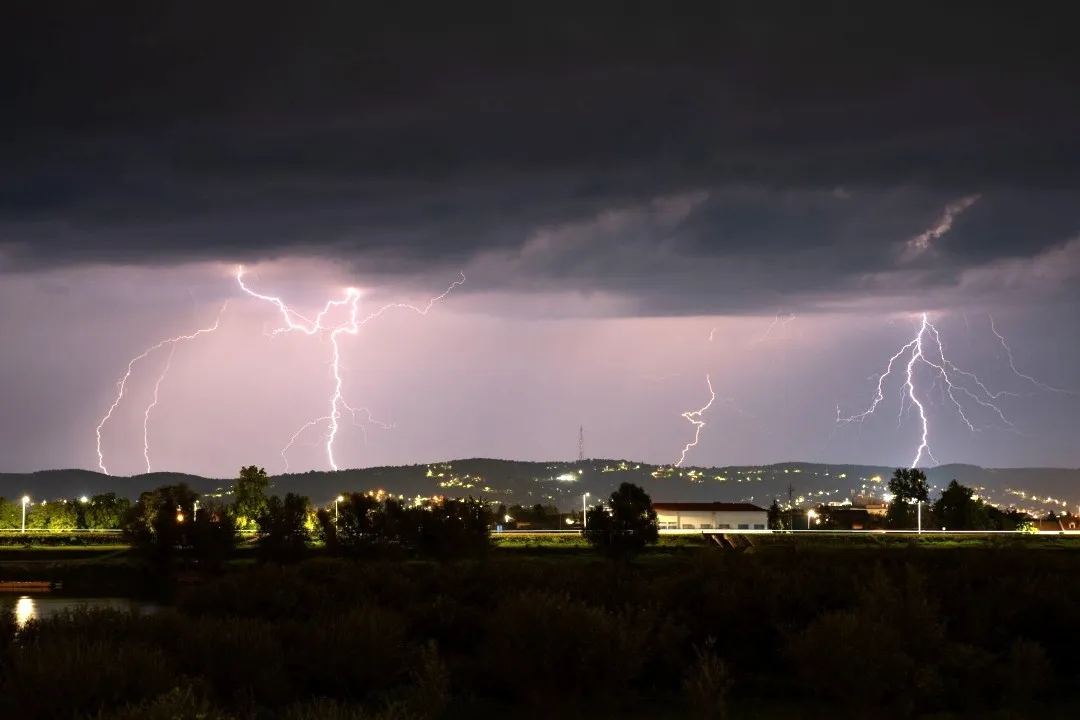
As summertime temperatures heat up, so do the instances of thunderstorms. These storms often produce heavy rain, damaging winds, and lightning. Interestingly, lightning can occur many miles away from the parent thunderstorm.
Experts at The Weather Channel estimate that there are 25 million lightning strikes annually in the United States. Data also reveals that approximately 62% of all individuals struck by lightning are involved in some type of leisure activity, either as a participant or as a spectator.
Understanding basic lightning principles and following proper safety precautions can decrease the risk of lightning related injury. That’s the purpose behind the Lightning Guidelines developed by USA Lacrosse’s Center for Sports Science & Safety.
In preparation for outdoor practices and games, it is important that all organizations develop a lightning policy, including identifying who is responsible for monitoring the environment, the criteria to evacuate the venue, and the criteria to return to activity. Education, prevention, and access to early defibrillation are essential for weather related injury.
The USA Lacrosse lightning guidelines outline three primary recommendations:
• All organizations, facilities, administrators, athletic medical staff and coaches should follow a specific written policy for lightning-related events.
• These lightning guidelines should be developed by those who are familiar with the athletic venue as well as surrounding emergency medical facilities.
• Anyone using a facility should be aware of the lightning policy specific to that site, including administrators, coaches, and athletes.
Additionally, USA Lacrosse identifies 10 key components that should be included in a lightning policy.
1. Have an assigned individual for monitoring the weather.
2. Have an assigned individual responsible for the decision to suspend/return to activity.
3. Defined criteria to suspend activity and evacuate area.
4. Evacuation procedure and location of a venue-specific safe structure.
5. Procedures describing the duration of suspension of activity.
6. Description of communication methods.
7. Documentation for non-compliance.
8. Treatment protocols for lightning strike.
9. Training/retraining procedures of key personnel.
10. Approval process for the policy.
Further details about each of these components of a sound lightning policy is provided in the USA Lacrosse Lightning Guidelines.
Center for Sports Science & Safety
Created in 2016, the USA Lacrosse Center for Sports Science & Safety is devoted to research, education, collaboration, policy development, and best practice guidelines that benefit the safety and wellness of lacrosse players. The Center embraces an athlete-centered model, ensuring that all research, education, and support advances player wellness and the promotion of safe environments for enjoying lacrosse.