
By Dr. Richard Hinton, MedStar Sports Medicine · January 26, 2026
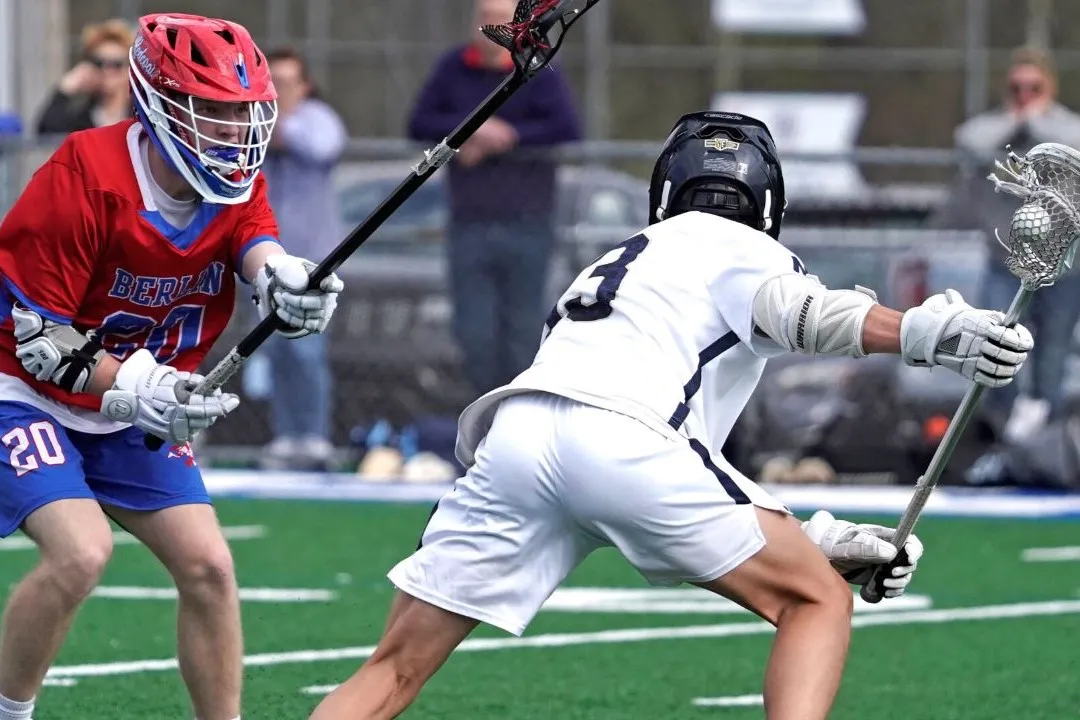
Low back pain is a common complaint among adolescent athletes and a frequent cause of time lost from sport. Most cases are muscular in nature and short-lived. However, stress reactions and fractures of a specific area of the lumbar spine, the pars interarticularis (a small but important bony connection in the lower spine), are an increasingly common cause of low back pain in young athletes. When identified early and managed appropriately, most of these injuries heal well, but delayed recognition can lead to prolonged time away from sport.
This is particularly relevant in lacrosse, where sport-specific skills involve repetitive lumbar extension, rotation, and high spinal loading. When combined with age-related risk factors, inefficient training practices, and participation pressures, lumbar stress injuries have become increasingly prevalent, especially among adolescent male players.
This article provides an overview of the anatomy, pathology, presentation, diagnosis, treatment, and prevention of pars injuries, with a focus on risk factors specific to lacrosse.
Anatomy
The lumbar spine consists of five vertebrae that protect the spinal cord and allows passage of spinal nerves. The pars interarticularis is a thin segment of bone within each vertebra.
This region experiences high stress during lumbar extension and rotation. In adolescents, the pars may be relatively weaker than surrounding structures. Rapid growth, limited core strength, and muscle imbalances in the hips and lower extremities can further concentrate stress in this area.
Pathology
Pars injuries exist on a spectrum:
• Stress reactions involve microdamage and bone edema without a visible fracture.
• Stress fractures represent a true break in the pars.
• Spondylolisthesis, the most severe form, occurs when pars fractures allow one vertebra to slip forward over the one below it, leading to spinal instability.
Epidemiology
Pars injuries account for approximately 15–30% of low back pain in adolescent athletes, depending on sport and level of participation. Sports that combine repetitive lumbar extension and rotation carry the highest risk (e.g., gymnastics, diving, tennis serving, cricket, bowling).
Lacrosse fits this profile. High-velocity shooting from a full wind-up involves powerful trunk rotation, extension, and side bending. Faceoffs can also generate rapid, forceful lumbar extension. When these loads are repeated without adequate recovery, proper technique, or muscular support, injury risk increases.
Presentation
Back pain that persists for more than 2–3 weeks, limits performance, or worsens with activities should prompt medical evaluation.
Risk is highest among male lacrosse players ages 12–20. Symptoms typically include:
• Low back pain worsened by extension, shooting, sprinting, or prolonged running
• Improvement with rest
• A history of recent growth spurts, increased training volume, or year-round play
Physical exam findings may include hamstring tightness, poor trunk control, and lumbar tenderness. Definitive diagnosis requires physician evaluation and imaging.
• X-rays may detect established fractures but often miss early stress reactions
• CT scans visualize fractures well but involve radiation
• MRI is increasingly preferred for identifying early injury while avoiding radiation exposure
Treatment
Most adolescent pars injuries are treated non-operatively. Management focuses on rest, modification of risk factors, and a structured, graduated rehabilitation program. Surgery is reserved for stubborn cases or significant instability.
Key principles include:
• Avoiding painful activities, particularly those involving high-intensity rotation and extension
• Collaboration among physicians, physical therapists, athletic trainers, and performance specialists familiar with lacrosse demands
• Bracing may help manage pain, though its impact on healing remains unclear
Rehabilitation emphasizes pain reduction, maintenance of aerobic fitness, and progressive improvements in core strength, trunk control, and dynamic flexibility. Athletes should remain connected to their team and gradually transition from controlled environments to full participation. Return to play must be symptom- and function-based, not time-based, and may range from six weeks to six months or longer.
Risk Factors and Prevention
Risk factors may be anatomic, training-related, or psychosocial.
• Anatomic: rapid growth, weak core musculature, hip and lower-extremity tightness, spinal deformities, family history.
• Training: excessive shooting volume, non-game-specific drills, year-round play, multiple concurrent teams, early specialization.
• Psychosocial: pressure to play through pain or return prematurely, poor sleep, inadequate nutrition or hydration.
Persistent low back pain in adolescents is not normal and should not be dismissed. Prevention strategies include:
• Year-round conditioning emphasizing functional core strength and dynamic flexibility.
• Managing athletic load and lacrosse-specific demands.
• Taking 2–3 months off from lacrosse annually and 1–2 days off per week during the season.
• Encouraging athlete communication about physical and mental readiness.
• Promoting multisport participation and delaying specialization until mid-adolescence
Conclusion
Pars stress reactions and fractures are common, and often underrecognized, causes of low back pain in adolescent lacrosse players. A combination of anatomic vulnerability, repetitive high-intensity spinal loading, inappropriate training volumes, and social pressures creates a high-risk environment. Proactive education, training modification, and early recognition are essential to protecting the long-term health and performance of young athletes. Protecting young athletes requires shared responsibility among parents, coaches, healthcare providers, and the athletes themselves.